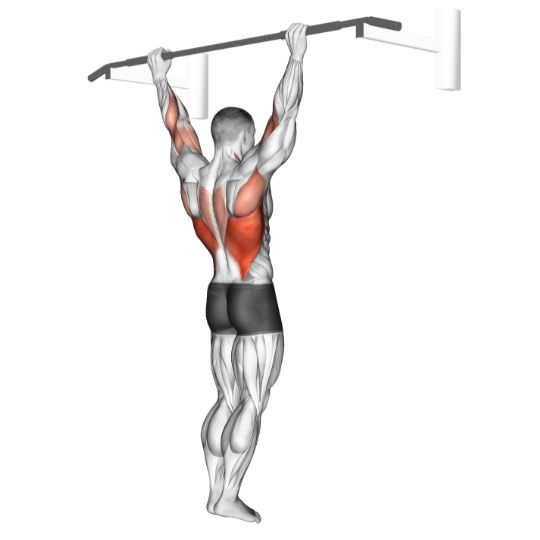
Introduction In the world of fitness, sometimes the simplest exercises are the most beneficial. One such popular and simple exercise is the dead hang. This exercise may seem simple, but its effects are surprising.It strengthens your grip, improves shoulder mobility, relieves stress on the spine, and keeps the core active. If you are new to fitness or want a new addition to your workout, learning the dead hang safely is a great choice for you. Dead hanging is an exercise in which you hold onto a pull-up bar or a sturdy bar, keeping your arms straight and your body free. This process, despite being simple, improves your health in the following areas: Shoulder-width apart,hand facing forward. Palms facing in (chin-up grip). Neutral grip (if handles are available). Jump or step up slowly. Don’t hang on with a sudden jerk. Wrap your thumb around the bar. Don’t just hang by your fingers. For passive hang: Relax your shoulders and breathe normally. For active hang: Pull your shoulders down and back slightly to activate your upper back muscles. Do not hold your breath, breathe in and out slowly. Do not fall suddenly when releasing the bar, but step down smoothly. 3–4 sets of 10–20 seconds, 3 times a week.Gradually increase the time (increase by 5–10 seconds each week). 30–60 second hangs, 3–4 sets. Weighted hang. Hang with a towel wrapped around your body to provide a stronger grip. Hang with one hand only if you can easily do it with both hands for 60–90 seconds. Always warm up your shoulders and back. Increase the time gradually, don’t hang for too long at once. Stop immediately if there is sharp pain. Use chalk to prevent your hands from slipping. Never use a shaky or weak bar. If you experience Woozy or a Buzzing sensation, stop right away and see a doctor. The dead hang is a apparently simple but incredibly beneficial exercise. It strengthens the grip, makes the shoulders healthier, and reduces stress on the spine. But remember: Always maintain proper form. Increase the time gradually. Make shoulder and back safety a top priority.